Flying Home From the Bahamas or Mexico: How APIS, Permission to Land and the CBP Decal Work for Private Jets
How private jet crews clear CBP coming home: APIS timing, pilot passport checks, permission to land, amended manifests and the user fee decal.
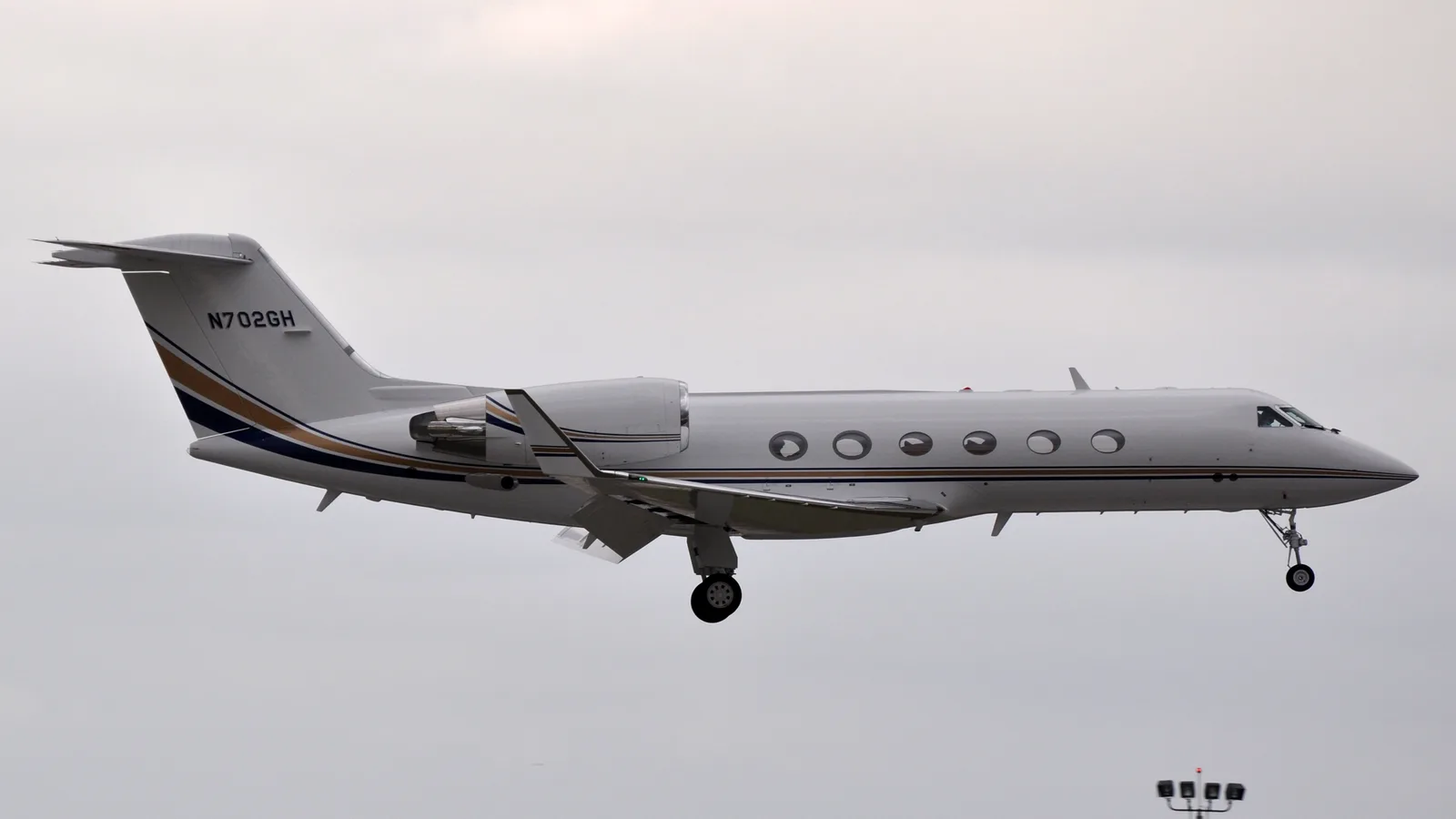
Thanksgiving week is when a lot of business jets point south. The Bahamas, the Caribbean and Mexico are short hops from Florida and Texas, and the trip home is where crews most often get caught out. The paperwork for coming back into the United States is not hard, but it has to happen in the right order, and the pilot in command owns all of it.
Here is how the U.S. Customs and Border Protection (CBP) process works for private (Part 91) flights, based on the federal regulation and CBP's own general aviation guidance.
Step one: the APIS manifest
Every private aircraft arriving in or departing from the United States must send CBP an Advance Passenger Information System (APIS) manifest. CBP's general aviation FAQ makes a distinction worth knowing: "APIS" is the requirement, while "eAPIS" is the CBP web portal many operators use to meet it. Some flight departments file through a trip-support provider or other approved system instead. CBP says the official address for the portal is eapis.cbp.dhs.gov, a useful detail when look-alike sites show up in search results.
Under 19 CFR 122.22, the manifest for an arrival must reach CBP any time before departure, but no later than 60 minutes before the aircraft leaves the foreign airport. The same 60-minute rule applies when leaving the United States.
The manifest covers everyone on board, crew included: full name, date of birth, gender, citizenship, country of residence, status on board, travel document type, number, country of issuance and expiration date, and an address while in the United States. The notice of arrival adds the aircraft details: tail number, type, call sign, CBP decal number, last departure point, estimated time and place of crossing the U.S. border or coastline, the intended airport of first landing, owner and operator information, the pilot's name and certificate number, aircraft colors, the itinerary for the previous 24 hours and a 24-hour emergency contact.
The pilot checks the passports
One line in the regulation surprises people. The pilot is responsible for comparing each traveler's travel document with what was transmitted, to make sure the information is correct, the document appears valid and the person holding it is the person it was issued to. A scheduler or trip-support company can send the manifest on the pilot's behalf, but the rule says the pilot remains responsible for its accuracy and completeness.
For flight attendants and crew who collect passports at the airstair, that is the practical point: an expired passport or a misspelled name found on the ramp is far easier to fix than one found by an officer on arrival.
Step two: permission to land
Sending the manifest is not the same as being cleared. CBP's FAQ is direct: after transmitting an APIS manifest, "you need explicit permission to land from the port of arrival," and you get it by calling that port before departing the foreign airport. The regulation adds that the pilot must receive a DHS message approving the landing and follow any instructions in it before leaving.
For departures from the United States, CBP says permission to depart for private aircraft is routinely granted systematically after the APIS manifest is transmitted.
When plans change
Diversions, delays and last-minute passengers are normal in business aviation, and the rule has specific handling for them:
- Changes to the ETA, the arrival airport or a cancellation can be passed to CBP by phone, radio or existing procedures, coordinated with the port at the new arrival location.
- Adding a passenger or changing traveler or aircraft data means submitting an amended manifest.
- If the amended manifest goes in less than 60 minutes before departure, the pilot must get CBP approval for it before leaving. Once an amended manifest is submitted, any earlier approval to depart is no longer valid.
- If the flight was never meant for the United States but diverts to a U.S. airport in an emergency, the information is due no later than 30 minutes before arrival.
Arriving from the south
Flights from Mexico, the Caribbean and the Western Hemisphere south of set latitude lines (generally 30 degrees north on the Gulf and Atlantic coasts and 33 degrees north on the Pacific side and Mexican border) fall under an extra section, 19 CFR 122.23. For private aircraft, the APIS notice of arrival satisfies that section's notice requirement. The notice names the intended airport of first landing, which must be one listed in 19 CFR 122.24 unless the aircraft holds an exemption under 122.25. Ports can have specific hours and procedures, and CBP advises contacting the local port for its airport fact sheet.
Don't forget the decal
CBP also requires a current Private Aircraft User Fee decal, bought through its Decal and Transponder Online Procurement System (DTOPS) at dtops.cbp.dhs.gov. CBP lists the cost at $38.04 per calendar year, effective October 1, 2026, and notes the price typically rises every October 1. The old paper CBP Form 339A is no longer used for private aircraft decal purchases. CBP warns that failing to keep fees current can lead to permission-to-land denials, flight cancellations and liquidated damages.
One caution for charter crews: the private-aircraft process above is not the commercial one. CBP says private aircraft user fee decals do not cover commercial aircraft movements, and commercial operators secure clearance through the CBP port tied to their departure. Part 135 crews should follow their operator's procedures and CBP's commercial guidance.
A simple order of operations
Before the trip home, the sequence looks like this: confirm the decal is current, check every passport against the manifest, transmit APIS at least 60 minutes before departure, call the arrival port for permission to land, wait for the approval message, and only then start engines. It is a short list, and on a holiday weekend with busy ports it is worth getting right the first time.