Windy Approaches: What the "Demonstrated Crosswind" Number Really Means for Business Jet Crews
After Thanksgiving winds snarled LaGuardia, a refresher on demonstrated crosswind figures, gust additives and where the real limits are written.
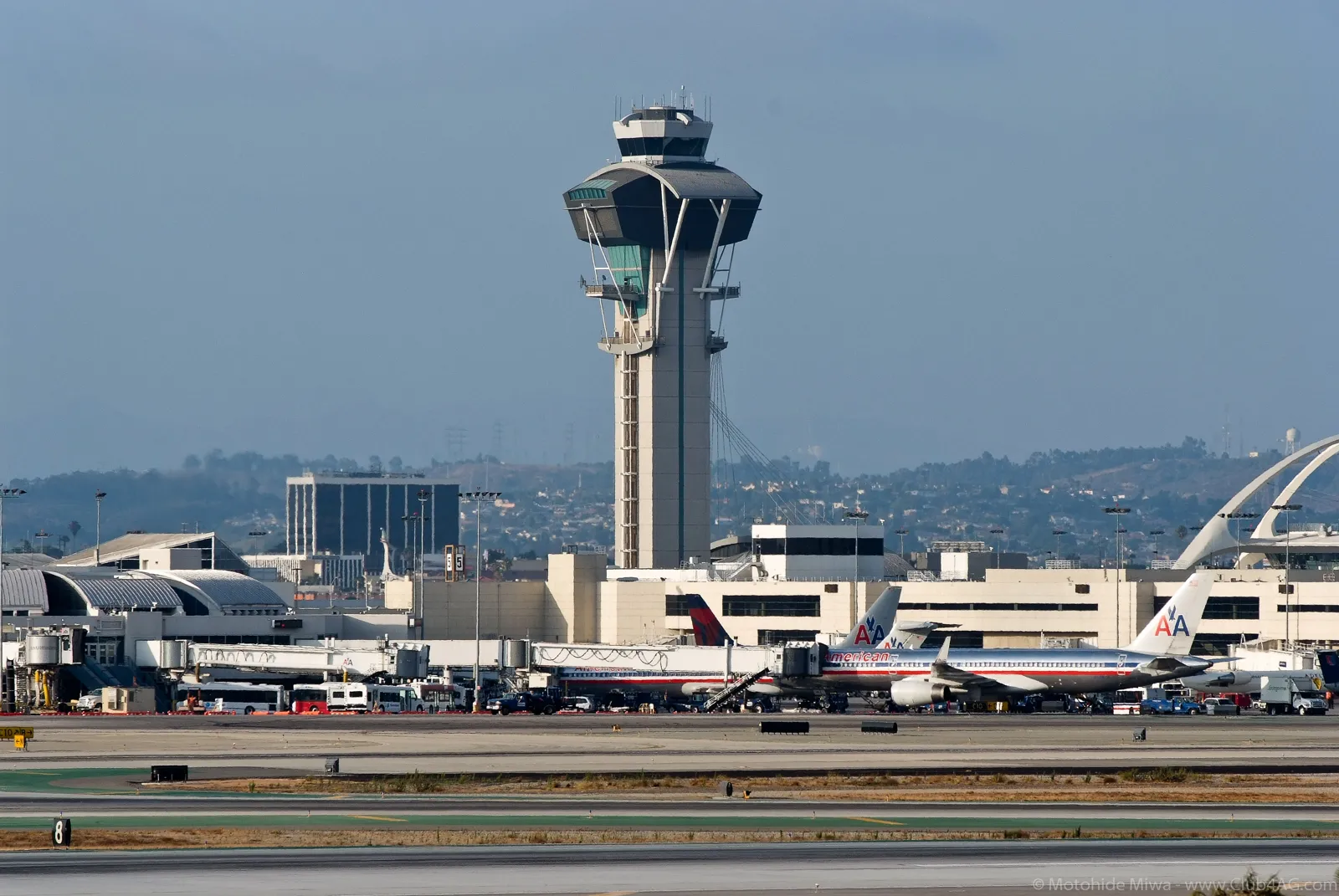
A powerful storm turned Thanksgiving travel into a wind problem for the New York area. On Thursday evening, Nov. 26, the FAA issued a ground stop for Delta flights into LaGuardia as strong winds and heavy weather moved through the Northeast, according to an FAA advisory reported by WBC24. The stop took effect at 5:53 p.m. ET, with average delays of 45 minutes and maximum delays of 82 minutes.
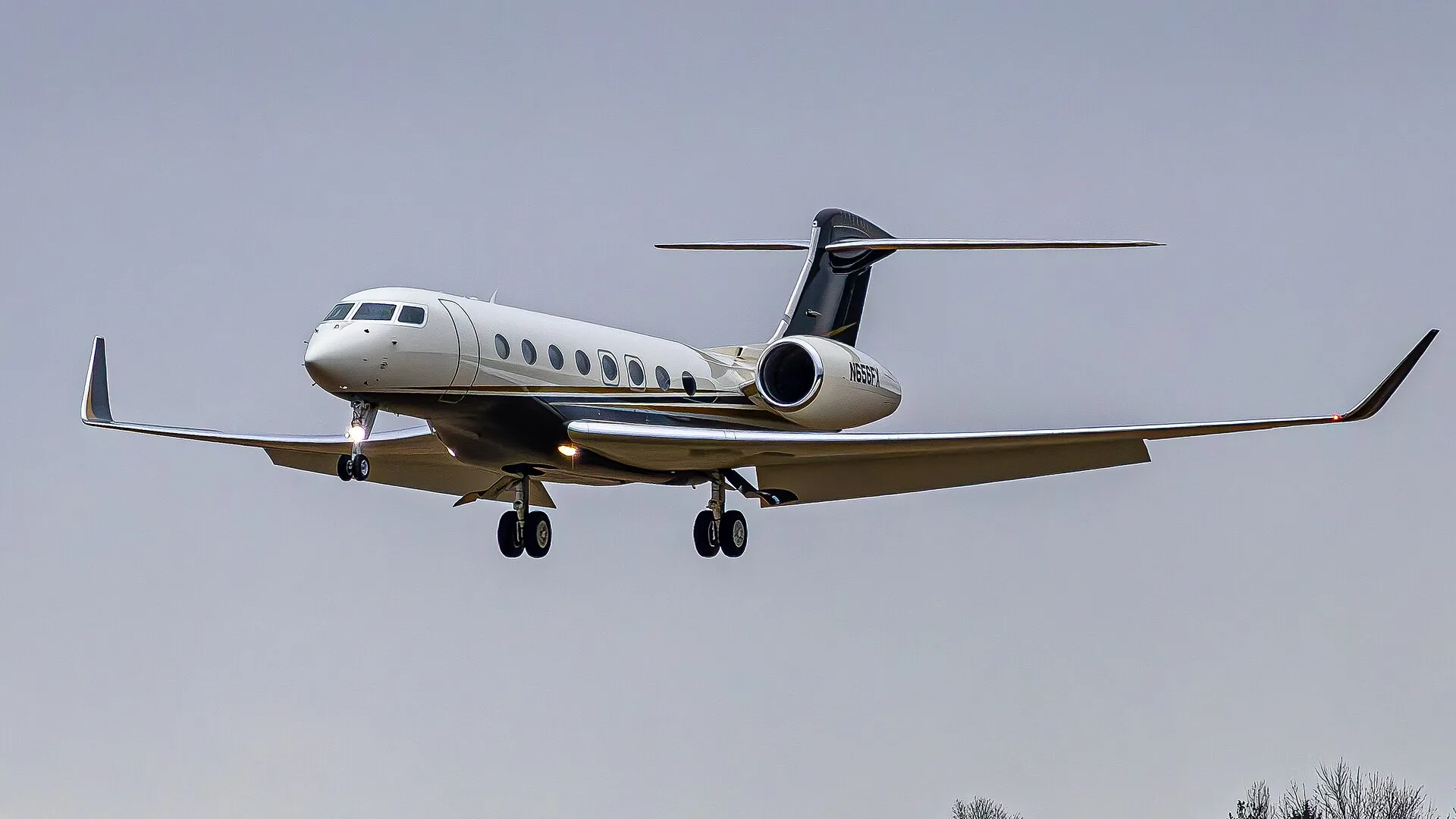
Airline crews get dispatch, ATC flow programs and company limits to lean on. Business jet crews flying into Teterboro, Westchester or a short runway on the coast often have to make more of the call themselves. Here is a plain-language refresher on what the FAA and the certification rules actually say about gusts and crosswinds, and where the real limits are written down.
The "demonstrated crosswind" number is not what many pilots think
Every jet's Airplane Flight Manual (AFM) lists a crosswind figure. For transport-category airplanes, which include most large-cabin and many midsize business jets, the requirement comes from 14 CFR 25.237. It says a 90-degree crosswind component "demonstrated to be safe for takeoff and landing" must be established for dry runways, and it must be at least 20 knots or 0.2 VSR0, whichever is greater, but "need not exceed 25 knots." The landing crosswind must also be established for icing conditions.
In other words, the published figure is often the wind the test pilots saw during certification, not the most the airplane can handle and not the most a line crew should accept.
The FAA's safety guidance makes the same point for smaller airplanes. In its Personal Minimums for Wind handout, the FAA says the maximum crosswind number in the handbook "is not a limitation but rather the maximum cross wind experienced in the course of flight testing for certification."
Two cautions matter for jet crews:
- Read your own AFM wording. Some manufacturers publish the crosswind figure as a limitation, and some publish separate figures for wet or contaminated runways. If it is in the Limitations section, it is a limit.
- Your operator's numbers win. Part 135 and Part 91K operators often set their own crosswind and gust limits in their operations manual, sometimes lower for new captains or contaminated runways. Those are binding for the crew.
Gusts: the "half the gust factor" rule
The FAA's Airplane Flying Handbook, Chapter 9 explains the common technique: pilots often fly "the normal approach speed plus one-half of the wind gust factors in turbulent conditions." The gust factor is the difference between the steady wind and the gusts. The handbook's own example: with a 70-knot normal approach speed and 15-knot gusts, about 77 knots is appropriate.
The handbook adds two guardrails. First, "the airspeed and the flap setting should conform to airplane manufacturer's recommendations in the AFM/POH." Many jet AFMs and operators publish their own wind additive for Vref, often with a cap. Second, too much speed has a cost: "An excessive amount of airspeed could result in a touchdown too far from the runway threshold or an after-landing roll that exceeds the available landing area." On a wet runway in gusty air, extra knots turn directly into extra stopping distance, so landing performance should be run with the speed you will actually fly.
Crab, de-crab, or sideslip
The Airplane Flying Handbook describes the sideslip, or wing-low method, where the pilot lowers the upwind wing and uses opposite rudder so the airplane's longitudinal axis stays aligned with the runway. Many jet crews instead fly a crab on final and remove it with rudder just before touchdown, or combine the two, depending on the type. Swept-wing jets with low-slung engines or long wings have limits on how much bank is safe near the ground, so the technique for your type belongs in the AFM, the manufacturer's guidance and your training center's syllabus, not in a rule of thumb.
Practical questions for a windy day
Before departure or descent into a gusty airport, crews can ask:
- What do the AFM and our operations manual allow for crosswind, on this runway's surface condition?
- What is the gust factor, and what Vref additive does our type use? Does landing distance still work with it?
- Is there a better-aligned runway here, or a better-aligned alternate nearby?
- Are we briefed and ready to go around early if the approach becomes unstable?
For the cabin, the same storm usually means a rough approach. Flight attendants should have the cabin secured early, with loose items stowed and passengers seated well before final.
High winds will return all winter. The safest crosswind landing is often the one made on a different runway, or at a different airport, chosen before the approach began.