Charter Pilot Minimums Explained: When Part 135 and Fractional Jobs Require an ATP, 1,200 Hours or Just a Commercial
FAA minimums for Part 135 and fractional pilots: when charter captains need an ATP, the 500- and 1,200-hour rules, SIC rules and restricted ATP limits.
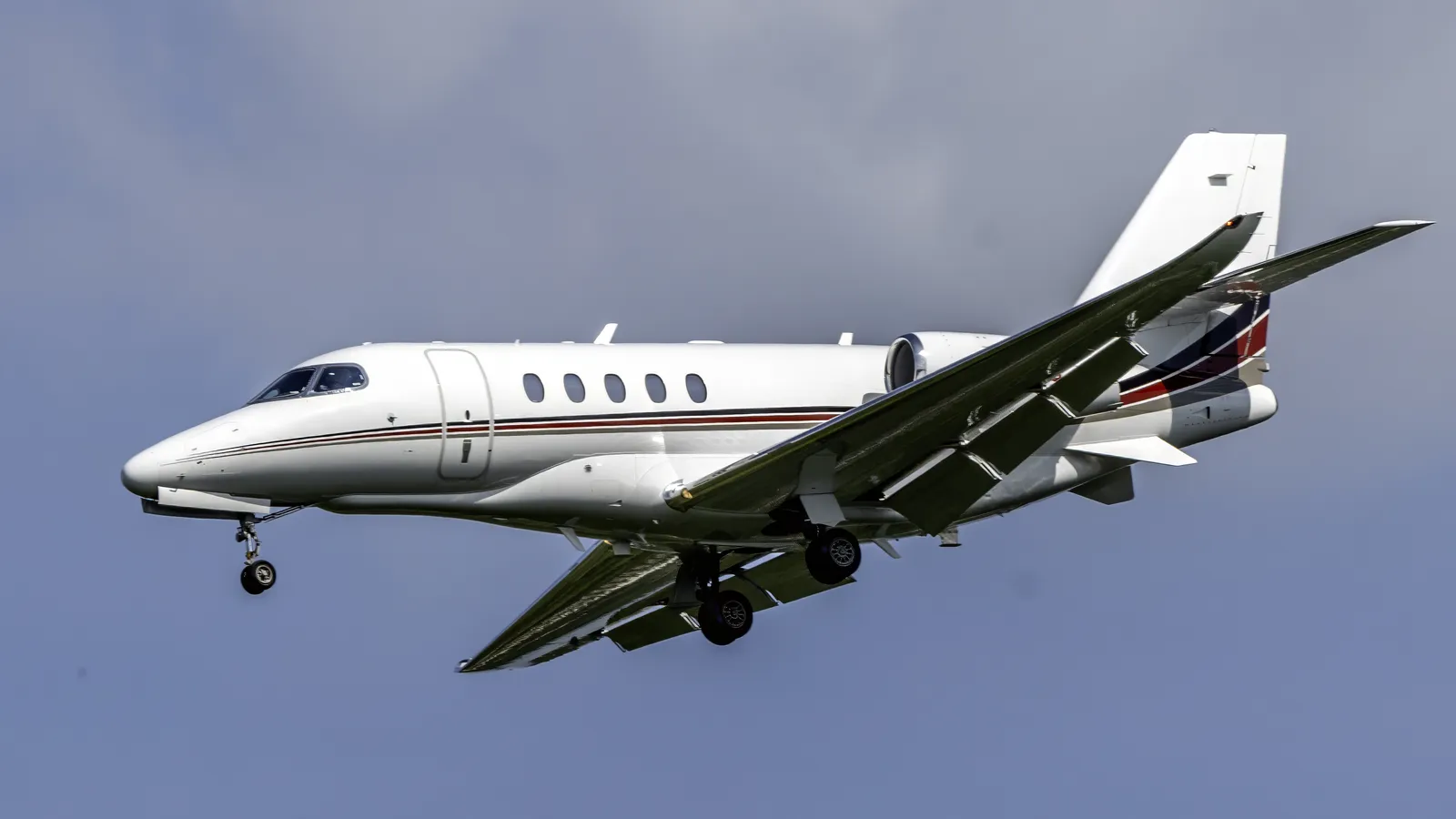
Ask a group of pilots what it takes to fly a charter jet and you will hear numbers thrown around: 1,200 hours, 1,500 hours, "you need an ATP," "you just need a commercial." All of them are partly right. Which number applies depends on the seat you want, the kind of operation, and whether the aircraft is a jet.
Here is how the FAA's minimums actually line up for on-demand charter (Part 135) and fractional programs (Part 91 Subpart K), based on the regulations themselves. Individual operators and their insurers often set the bar higher, so treat these as the legal floor, not a hiring guarantee.
Captain of a charter jet: ATP required
The rule for pilots in command in Part 135 is 14 CFR 135.243. Its first paragraph is the one that matters most for business jet pilots. It says no certificate holder may use a person as pilot in command in passenger-carrying operations of a turbojet airplane, of an airplane with 10 or more passenger seats, or of a multiengine airplane in commuter operations, "unless that person holds an airline transport pilot certificate with appropriate category and class ratings and, if required, an appropriate type rating for that airplane."
In plain terms: if you want to be the captain of a Citation, Phenom, Challenger or Gulfstream carrying charter passengers, you need an Airline Transport Pilot (ATP) certificate and the type rating for that jet.
Captain of a smaller charter aircraft: 500 or 1,200 hours
For aircraft that fall outside that first paragraph, such as many piston twins, single-engine turboprops and smaller turboprops with fewer than 10 passenger seats, the PIC rule splits by flight rules.
- VFR only: at least a commercial certificate, the type rating if required, and 500 hours as a pilot, including 100 hours cross-country and 25 hours at night. Airplane pilots also need an instrument rating or an ATP.
- IFR: at least a commercial certificate and 1,200 hours as a pilot, including 500 hours cross-country, 100 hours at night and 75 hours of actual or simulated instrument time, at least 50 of them in actual flight. Airplane pilots also need an instrument rating or an ATP.
That 1,200-hour IFR figure is where the "1,200 hours for 135" number comes from. It is a real path into charter flying, but usually in turboprops or piston aircraft, not jets.
First officer: commercial and instrument
The second-in-command rule, 14 CFR 135.245, is much shorter. An SIC must hold at least a commercial pilot certificate with the right category and class ratings and an instrument rating. There is no flight-hour minimum in the rule itself.
There is a currency requirement. To serve as SIC under IFR, the pilot must have logged, within the preceding six calendar months, six instrument approaches, holding procedures and tasks, and intercepting and tracking courses using navigation systems. Those tasks can be done in an approved simulator if a qualified Part 135 instructor or check pilot observes them and signs off. An SIC who goes more than six calendar months without meeting that requirement must re-establish instrument recency under a qualified instructor or check pilot.
Many business jets also require the SIC to hold an SIC type rating to fly internationally. BizJet Brief covered that rule in our explainer on SIC type ratings.
Fractional programs set their own floor
Fractional ownership programs operating under Part 91 Subpart K have a separate rule, 14 CFR 91.1053. It sets total flight time minimums for all program pilots: 1,500 hours for a pilot in command and 500 hours for a second in command.
For multi-engine turbine airplanes, the PIC must hold an ATP certificate and type ratings not limited to VFR, and the SIC must hold commercial and instrument ratings. The rule allows the FAA office that issued the program manager's management specifications to approve deviations from the flight-time minimums for a pilot with comparable experience.
So a first officer job at a fractional operator carries a 500-hour legal minimum that a Part 135 SIC seat does not.
Where the restricted ATP fits
The 1,500-hour ATP requirement in 14 CFR 61.159 has well-known exceptions. Under 14 CFR 61.160, former or current U.S. military pilots can qualify for a restricted-privileges ATP at 750 hours, graduates of FAA-authorized aviation bachelor's degree programs at 1,000 hours, and graduates of authorized associate's degree programs at 1,250 hours, if they meet the other conditions in that section.
What many pilots miss is what the restricted ATP does not allow outside the airlines. Under 14 CFR 61.167(b), a person holding an ATP who has not met the full age and experience requirements may not act as pilot in command in Part 121 operations, under the Subpart K ATP requirement in 91.1053(a)(2)(i), or under 135.243(a)(1), the charter jet captain rule described above.
In other words, a restricted ATP can help a pilot get hired, but it does not make a pilot eligible to command a charter or fractional jet. That still takes the full experience and age requirements.
What this means for your next move
For pilots building toward a business jet seat, the regulations suggest a common path: commercial and instrument first, an SIC seat or turboprop flying to build time, then the ATP and a type rating for the captain's seat. The details of your logbook, including cross-country, night and actual instrument time, matter as much as the total.
Read the rules yourself before an interview, and ask each operator what its own minimums and insurance requirements are. The regulation sets the floor; the operator sets the job.
Sources
- 14 CFR 135.243 — Pilot in command qualifications (eCFR)
- 14 CFR 135.245 — Second in command qualifications (eCFR)
- 14 CFR 91.1053 — Crewmember experience, fractional ownership (eCFR)
- 14 CFR 61.159 — ATP aeronautical experience, airplane (eCFR)
- 14 CFR 61.160 — ATP restricted privileges (eCFR)
- 14 CFR 61.167 — ATP privileges and limitations (eCFR)